
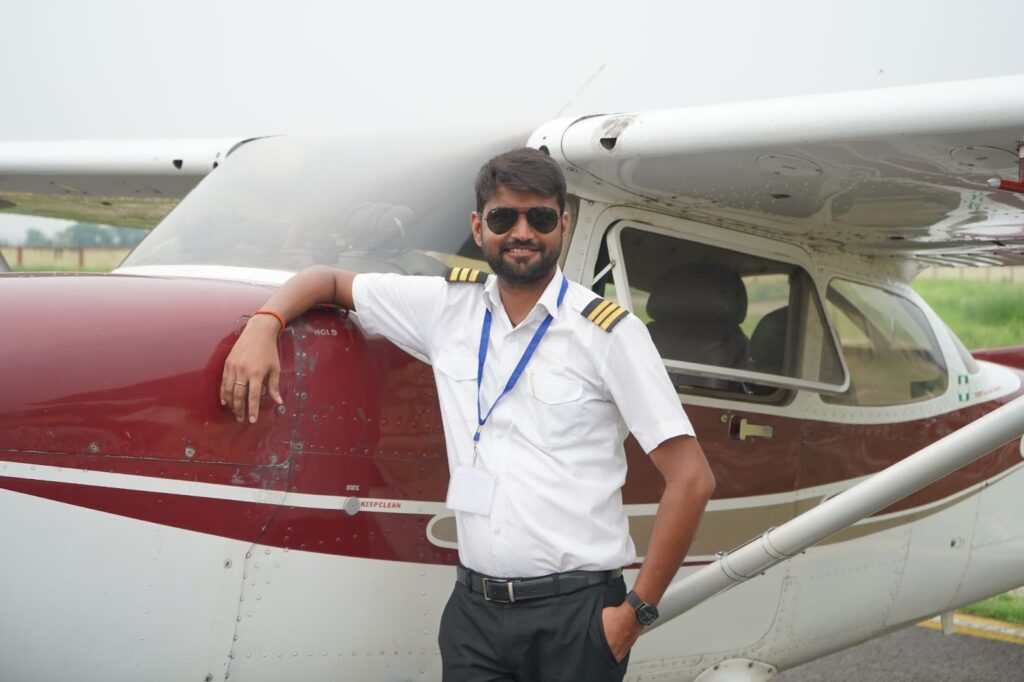
Do you know what it takes to fly across continents, commanding a commercial airliner through busy international skies? For many aspiring pilots, the dream isn’t just to earn a license—it’s to operate at the highest levels of aviation, navigating diverse routes, complex airspaces, and varied weather conditions. The foundation for such a career begins with quality pilot training in India, where structured programs, advanced simulators, and real-world exposure equip students for global airline operations.
Overview of Pilot Training in India
Pilot training in India is more than just learning to fly. It encompasses a comprehensive curriculum that combines theoretical knowledge, simulator sessions, and actual flight experience. From understanding aircraft systems and meteorology to mastering navigation and safety protocols, training ensures that cadets are fully prepared for both domestic and international flying challenges.
A key component is the Commercial Pilot License (CPL) program, which provides the legal and technical credentials necessary for aspiring airline pilots. The program includes rigorous ground training, hands-on flight experience, and assessments that mimic real-world airline operations.
Building a Strong Foundation
The first step in any pilot training in India program is grounding students in aviation fundamentals. This includes:
- Aircraft Systems & Operations: Understanding the mechanics and technology behind modern aircraft.
- Navigation & Airspace Knowledge: Learning to read instruments, interpret maps, and communicate effectively with air traffic control.
- Meteorology: Analyzing weather patterns and understanding their impact on flight safety.
- Regulatory Compliance: Familiarizing students with DGCA regulations, ICAO standards, and international aviation laws.
This solid foundation ensures that once students progress to advanced phases of training, they are already equipped with the theoretical knowledge and decision-making skills required by international airlines.
Simulator Training: Bridging Theory and Practice
Simulators play a pivotal role in pilot training in India. Modern flight simulators replicate real-world flying scenarios with astonishing accuracy, from routine flights to emergency situations. Training on both single-engine and multi-engine simulators allows cadets to experience various aircraft types without the risks associated with actual flight.
Simulators prepare pilots for international operations by teaching them:
- Complex Maneuvers: Handling aircraft in diverse weather and challenging airspaces.
- Emergency Procedures: Responding to system failures, engine malfunctions, and other in-flight contingencies.
- Crew Coordination: Practicing communication and decision-making with co-pilots and cabin crew, essential for airline operations.
By mastering these skills in a controlled environment, cadets gain confidence that translates seamlessly into real-world flying.
Actual Flight Experience: Learning in the Skies
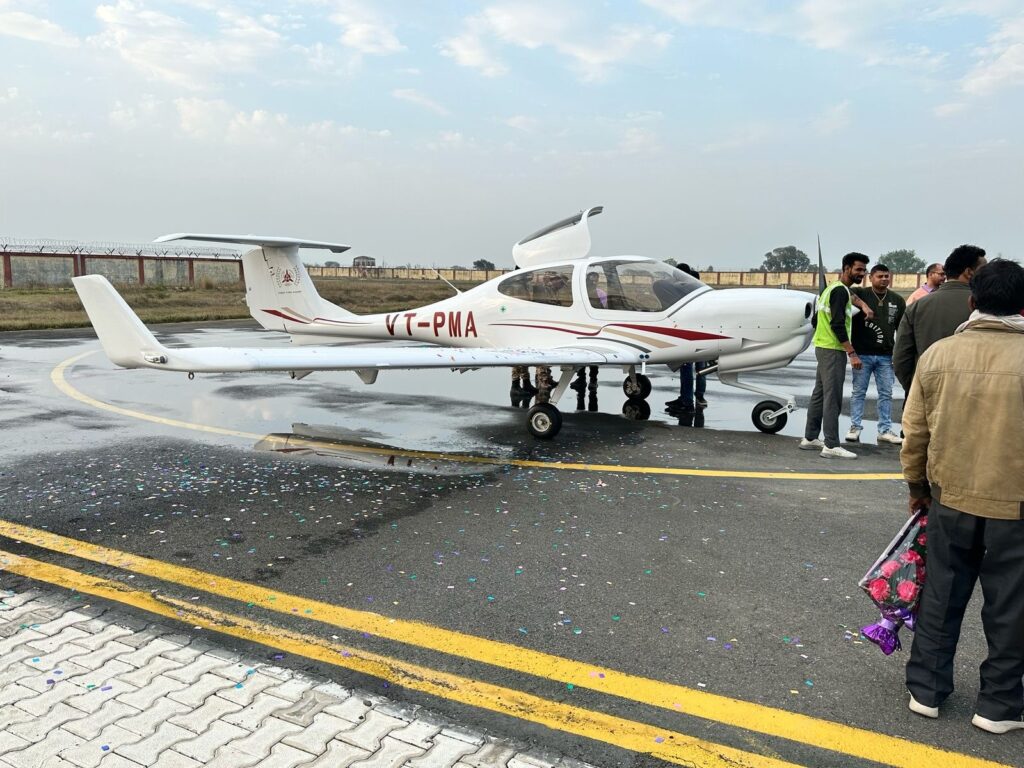
While simulators are invaluable, nothing replaces actual flight time. Pilot training in India emphasizes extensive flight hours under the supervision of experienced instructors. Cadets learn to:
- Take off and land in diverse conditions.
- Navigate regional and cross-country routes.
- Operate aircraft efficiently while adhering to safety protocols.
These experiences are crucial for preparing pilots to handle international airline responsibilities, where flights may span continents, cross multiple time zones, and require precise coordination with international air traffic control.
Exposure to Airline Standards
International airlines demand high standards of professionalism, operational discipline, and safety awareness. Pilot training in India programs are increasingly aligning with global benchmarks, ensuring cadets develop:
- Operational Readiness: Understanding airline SOPs (Standard Operating Procedures) and checklists.
- Time Management & Discipline: Meeting stringent schedules, managing fatigue, and maintaining peak performance.
- Decision-Making Under Pressure: Evaluating risks quickly and making informed decisions in dynamic environments.
Such exposure ensures that graduates are not just technically competent but also culturally and operationally ready to meet the expectations of international airlines.
Line Training and Airline Preparation
Many Indian flight schools now offer airline preparation courses as part of their training programs. These courses simulate real-world airline operations, giving cadets experience with:
- Flight Planning & Route Management
- Crew Resource Management (CRM)
- Airline SOP Compliance
- Passenger & Load Management
Line training, often conducted in collaboration with airlines, bridges the gap between training and actual airline employment, making the transition smoother for cadets aiming for international careers.
Advantages of Pilot Training in India
There are several reasons why India has become a hub for quality pilot training:
- Cost-Effectiveness: Training costs are lower compared to many Western countries.
- Diverse Flying Conditions: Pilots gain experience handling tropical, desert, and mountainous weather conditions.
- Experienced Instructors: Many instructors are former airline pilots with international exposure.
- Regulatory Compliance: Indian flight schools are DGCA-approved, ensuring international recognition of licenses.
- State-of-the-Art Infrastructure: Advanced simulators, modern aircraft fleets, and dedicated training bases ensure a comprehensive learning experience.
Preparing for Global Opportunities
Completing pilot training in India doesn’t just prepare you for domestic airlines—it opens doors to global aviation opportunities. The combination of flight experience, simulator training, and airline preparation courses equips cadets to meet the standards of international carriers.
Moreover, graduates often find it easier to secure type ratings for aircraft commonly used by global airlines, as their foundational skills and discipline meet international benchmarks.
How Pioneer Flying Academy Supports Your Journey?
At Pioneer Flying Academy, we provide a structured and holistic training approach that goes beyond conventional flight schools. Our programs combine:
- Comprehensive CPL Training
- Advanced Airline Preparation Courses
- State-of-the-Art Simulators and Modern Aircraft
- Experienced Instructors with Global Insights
By choosing Pioneer Flying Academy for your pilot training in India, you gain more than just a license—you gain the skills, confidence, and exposure necessary to pursue a successful international aviation career.
The Final Words
Embarking on pilot training in India is your first step toward a global aviation career. From foundational knowledge to advanced simulations and airline-focused preparation, the journey equips cadets to meet international standards with competence and confidence.
FAQs
1. How does pilot training in India prepare aspiring aviators for global careers?
Indian flight academies provide internationally aligned training programs that build both technical proficiency and cross-cultural communication skills needed for global aviation roles.
2. What global standards are covered during pilot training in India?
Training includes ICAO-compliant modules on navigation, meteorology, air law, and flight safety, ensuring cadets meet the operational expectations of leading international airlines.
3. Why do many international airlines hire pilots trained in India?
Pilots from India are known for their strong theoretical foundation, disciplined training, and adaptability—qualities that make them valuable assets in global airline operations.
4. Can a pilot trained in India transition easily to international aviation systems?
Yes. With proper conversion and regulatory alignment, Indian-trained pilots can qualify for licenses under EASA, FAA, or other authorities, enabling them to fly internationally.
5. What makes India a preferred destination for pilot training among global students?
India combines high training standards, diverse flying conditions, and affordable costs, offering an ideal environment for building a career.