
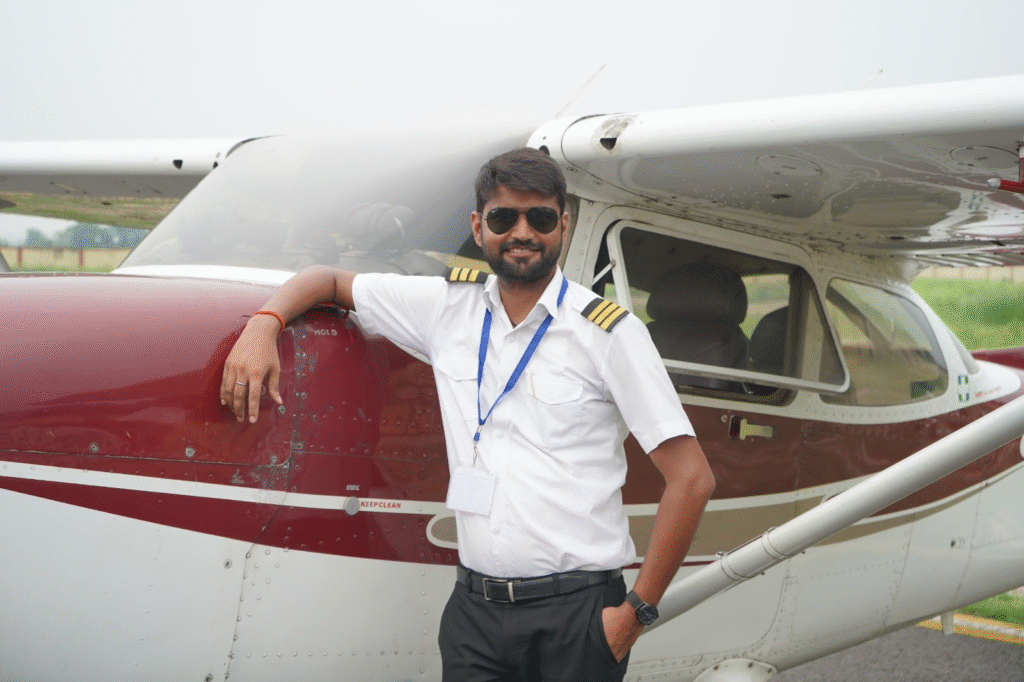
Have you ever wondered what it truly takes to turn the dream of flying into a lifelong career? For many, the dream of soaring above clouds and navigating the skies is irresistible. Yet, before embarking on this path, the question arises: Is being a pilot a good career? While the joy of flying often captures the imagination, pursuing an aviation career requires careful consideration of skills, training, financial investment, and long-term prospects.
In this blog, we delve into all facets of this distinctive career to help aspiring pilots make well-informed decisions.
Allure of the Skies
There is a certain magic in flying. Pilots experience a freedom few professions can offer. For many who ask, “Is being a pilot a good career?”, the answer begins with the sheer adventure and fulfilment that comes with controlling an aircraft. Each flight provides new experiences, challenges, and the satisfaction of mastering a complex skill.
Pilots must ensure the safety of passengers, crew, and cargo while navigating constantly changing weather, air traffic, and technical systems.
Career Prospects in Aviation
One of the key concerns when asking, “Is being a pilot a good career?” is employability and growth opportunities. The aviation industry has experienced steady growth over the past decades, and forecasts suggest continued expansion.
Commercial airlines, private charters, and government sectors offer diverse employment avenues for trained pilots. Those who gain experience can progress to senior roles such as chief pilot, flight instructor, or airline captain. This upward mobility makes aviation not only exciting but also a long-term, rewarding profession.
Moreover, aviation is global. Skilled pilots have the opportunity to work in different countries, experience new cultures, and explore international career options.
Financial Rewards: More Than Just a Paycheck
A pilot’s salary is among the most compelling reasons to consider this profession. While entry-level pilots may begin with modest pay, commercial airline pilots can eventually earn lucrative packages that include allowances, bonuses, and travel perks. The combination of competitive pay and the privilege of travel often makes aviation a highly sought-after career path.
When searching “Is being a pilot a good career?”, financial stability is a crucial factor. Experienced pilots, particularly those working for international airlines, often enjoy compensation that reflects their high level of skill and responsibility. Additionally, many airlines provide benefits such as retirement plans, medical coverage, and other incentives that add to long-term security.
Skills and Training Required
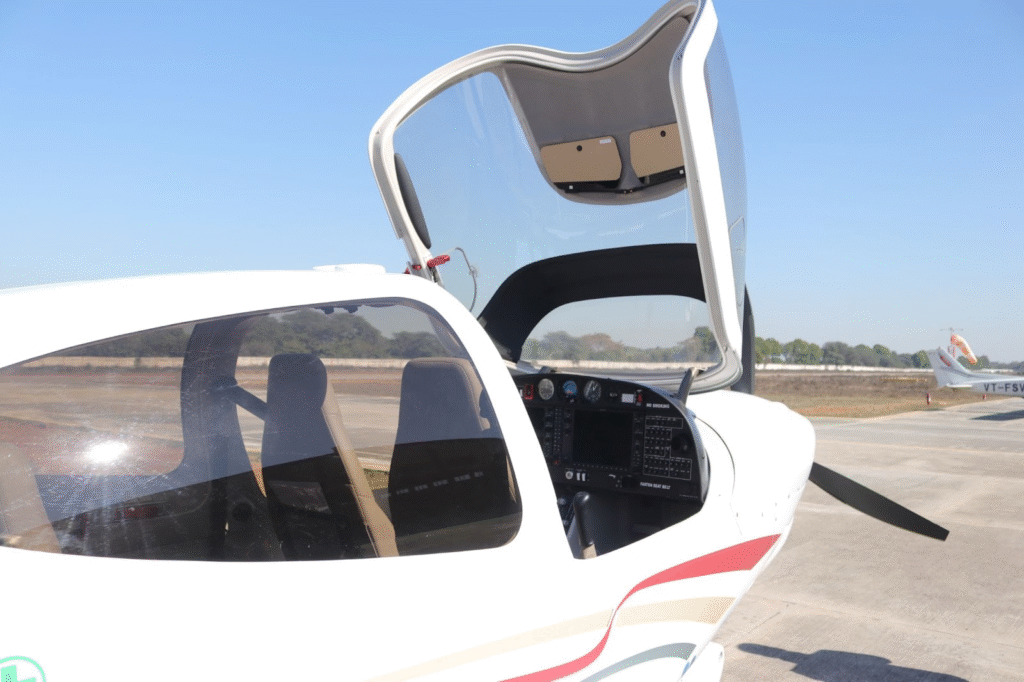
Becoming a pilot is not just a matter of desire; it requires dedication, discipline, and technical expertise. Critical thinking, decision-making under pressure, and strong communication skills are essential, as the safety of passengers and crew depends on the pilot’s competence.
Flight training involves both ground school and hands-on flying experience. Prospective pilots need to acquire private pilot licenses (PPL), followed by commercial pilot licenses (CPL) for professional flying. Additional certifications, such as instrument and multi-engine ratings, are often required for advanced roles. For those asking, “Is being a pilot a good career?”, the rigorous training is an investment in a highly rewarding and respected profession.
Challenges to Consider
As we all know that no career is without challenges, and aviation is no exception. You must be prepared to face irregular schedules and extended periods away from home. Weather conditions, technical issues, and demanding passengers can create stressful situations.
Additionally, the training process can be financially demanding. Flight school fees, exams, and licensing costs can add up, making it a significant upfront investment. However, for individuals passionate about aviation, these challenges are often outweighed by the rewards of a fulfilling career. Understanding these demands is crucial for anyone questioning, “Is being a pilot a good career?”
Technological Advancements and the Future of Aviation
Modern aviation is evolving rapidly with technological innovations. Advanced navigation systems, AI-assisted flight operations, and next-generation aircraft are changing how pilots work. While automation handles certain routine tasks, the need for skilled human pilots remains irreplaceable.
Pilots who stay updated with technological trends and continue learning are well-positioned to thrive in the industry for decades.
Work-Life Balance and Lifestyle
You must have heard that pilots may need to spend long hours in the air, including early mornings, late nights, and time-zone shifts. While this can disrupt traditional routines, many pilots find the lifestyle rewarding, with opportunities to travel, meet diverse people, and experience unique adventures. So, there is no chance of disappointment.
Moreover, airlines increasingly recognise the importance of crew welfare and work-life balance. Senior pilots often enjoy more predictable schedules, and career progression can lead to greater control over personal time.
Why Being a Pilot Remains a Strong Career Choice?
The aviation industry continues to offer strong job security, financial rewards, personal growth, and global opportunities. For those asking, “Is being a pilot a good career?”, the responsibility and long-term prospects make it a compelling choice. Aviation attracts individuals who are passionate, disciplined, and eager to challenge themselves while contributing to a vital industry.
How Pioneer Flying Academy Can Help?
At Pioneer, we guide aspiring pilots through every step of their journey. From selecting the right flying school to obtaining commercial pilot licenses, our experienced instructors provide comprehensive training that balances technical expertise with real-world experience. If you ask, “Is being a pilot a good career?”, Pioneer transforms that question into a path toward achievement.
FAQs
1. What qualifications are needed to become a pilot?
Aspiring pilots need a private pilot license (PPL) and a commercial pilot license (CPL).
2. What is the cost involved in becoming a pilot?
Flight training can range from ₹35 lakh to ₹50 lakh in India, depending on the school, type of training, and licensing requirements.
3. What skills are essential for a pilot?
Key skills include technical knowledge, quick decision-making, communication, and the ability to work under pressure.
4. Do pilots face long working hours?
Yes. Pilots often work irregular schedules, including night flights, long-haul routes, and extended periods away from home, though senior roles may offer more predictable hours.
5. How does technology affect a pilot’s job?
While automation and AI assist in navigation and operations, skilled human pilots remain essential for decision-making, safety, and handling complex situations.