
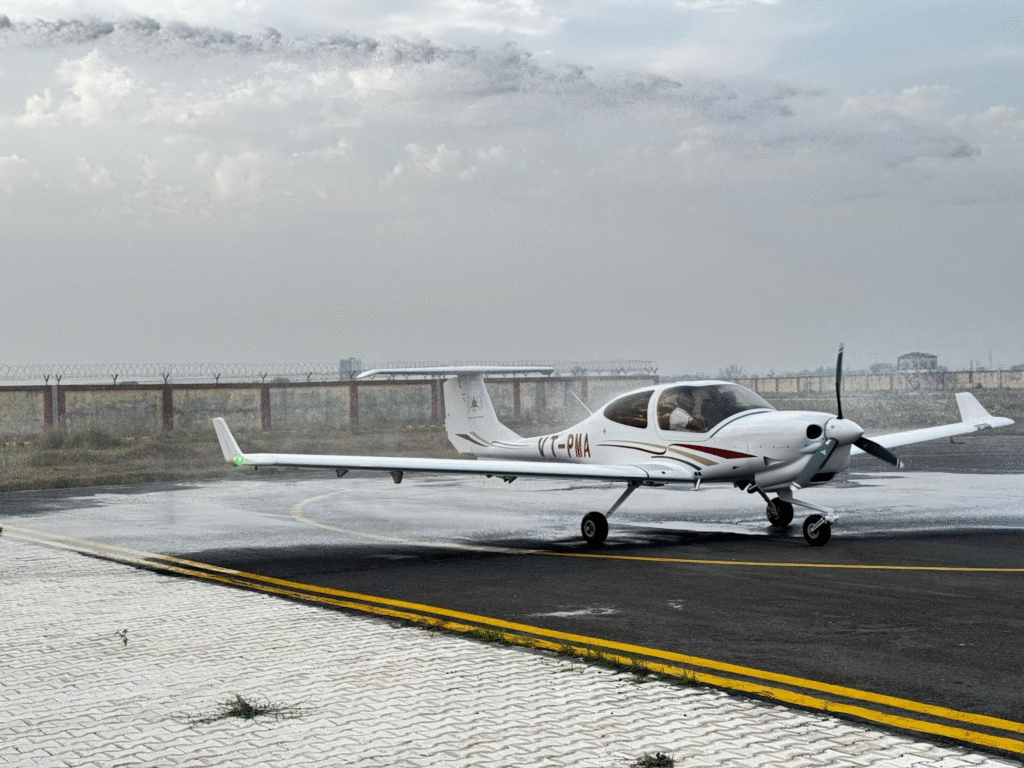
Have you ever imagined what life inside a flight school looks like? Many aspiring pilots picture glamorous uniforms and immediate access to the cockpit. While there’s some truth to the excitement, the journey to becoming a pilot is full of discipline, training, and dedication. For those exploring flight schools in India, separating myths from reality is crucial before committing to this life-changing career path.
In this blog, we’ll clear up the most common misconceptions about flight schools in India and give you a closer look at what really happens during training.
Myth 1: Flight Schools in India Are Only for the Rich
Reality: While pilot training is undoubtedly a significant investment, it isn’t a privilege limited to the wealthy. Many flight schools in India now offer financing options, bank loans, and instalment-based payment structures. Scholarships and sponsorships from airlines also ease the financial burden for capable students.
Instead of seeing costs as a barrier, think of them as an investment. Much like doctors or engineers who spend years and money on education, pilots invest in a specialised training process that leads to rewarding career opportunities across the globe.
Myth 2: Pilots Just Need to Know How to Fly
Reality: Flying an aircraft is only one part of the training. At flight schools in India, cadets undergo a combination of ground school, simulator sessions, and real-world flight hours.
Simulator sessions prepare students for emergencies and scenarios without risk. Flight training provides the hands-on flying experience needed to become confident and competent in the cockpit.
So, it’s not just about learning to control an aircraft. It’s about becoming a skilled decision-maker who can handle complex systems and unpredictable challenges.
Myth 3: A Pilot’s Life Is Always Glamorous
Reality: While the career is rewarding, it also comes with responsibility, long hours, and discipline. Cadets at flight schools in India quickly learn that aviation demands focus, resilience, and a willingness to adapt to irregular schedules.
Myth 4: Flight Schools in India Don’t Match International Standards
Reality: Many people assume only international academies provide world-class training. In fact, several flight schools in India meet or exceed global aviation standards. They are approved by the DGCA, which ensures strict compliance with international aviation norms.
Myth 5: Becoming a Pilot Takes Forever
Reality: Training timelines vary, but they’re not as endless as many believe. Most flight schools in India offer programs that last between 18 months and 2 years, depending on weather conditions, exam schedules, and a student’s personal pace.
Myth 6: Flying Is All About Skills, Not Academics
Reality: Flight training combines both. You’ll need sharp analytical skills to grasp aerodynamics, navigation, meteorology, and air regulations. Without theoretical knowledge, flying would be incomplete and unsafe.
At flight schools in India, ground school is just as vital as flight hours. Pilots who excel are the ones who combine technical flying ability with strong academic foundations.
Myth 7: Pilots Don’t Have Career Stability
Reality: The demand for trained pilots is growing rapidly. According to aviation industry forecasts, India will require thousands of new pilots over the next decade to meet rising passenger traffic. Graduates of flight schools in India have career options with airlines, charter companies, cargo carriers, and even international aviation opportunities.
Myth 8: Flight Training Is Too Risky
Reality: Flight schools in India prioritise safety in every aspect of training. From dual-control aircraft for student flights to continuous instructor oversight and simulator drills, safety is built into the system.
Far from being “risky,” training teaches cadets how to mitigate risks and operate within strict safety guidelines, shaping them into responsible pilots.
Life at Flight Schools in India: What to Really Expect?
Now that the myths are out of the way, here’s a glimpse of real life at a flight school:
- Discipline: Expect early mornings, strict routines, and constant preparation.
- Teamwork: You’ll work closely with peers, instructors, and staff.
- Continuous Learning: Even after completing your license, aviation demands lifelong learning.
Pioneer Flying Academy: Shaping Successful Pilots
At Pioneer Flying Academy, we understand that choosing a flight school is one of the biggest decisions of your life. That’s why our training programs are built around three core values: quality, safety, and opportunity.
- World-class facilities: Modern aircraft, simulators, and classrooms.
- Expert instructors: Experienced mentors who guide you step by step.
- Career pathways: Placement support with leading airlines and aviation companies.
By choosing Pioneer, you’re not just enrolling in a school—you’re stepping onto a clear runway toward your aviation career.
Final Thoughts
The world of aviation is full of myths, but once you look closer, the reality is even more exciting. Flight schools in India are equipping the next generation of pilots with skills, knowledge, and confidence to fly globally. If you’re passionate about the skies, don’t let misconceptions hold you back.
FAQs
1. Do you need a perfect academic record to join a flight school in India?
Flight schools primarily look for basic educational qualifications (like 10+2 with Physics & Math) and aptitude
2. Is it true that only boys can become pilots in India?
Absolutely not. Women pilots are increasingly common, and Indian flight schools encourage candidates of all genders.
3. Do flight schools in India guarantee a job after training?
While many schools provide placement assistance, no school can guarantee a job. Success depends on your performance, skill, and licensing.
4. Is training at flight schools in India less credible than abroad?
Not always. DGCA-approved Indian flight schools offer globally recognised certifications.
5. Do you need to be physically exceptional to join a flight school in India?
You need to meet medical fitness standards for pilots, but you don’t need to be an athlete.