

Many of us dream of becoming a commercial pilot. The journey requires passion, discipline, and the right training environment. Choosing the best aviation schools to become a commercial pilot can make all the difference in shaping your career. From world-class training facilities to structured courses, aviation schools prepare you to confidently take command of the cockpit and the skies.
In this blog, we will explore what makes a good aviation school, the typical courses offered, fee structures, and the facilities you should look for. By the end, you will also learn how Pioneer Flying Academy can play a pivotal role in turning your flying ambitions into reality.
Why Choosing the Right Aviation School Matters?
Every flight you operate carries passengers, cargo, or both, and their safety depends on your skills. That’s why finding the best aviation schools to become a commercial pilot is essential. A reputed school not only equips you with flying expertise but also nurtures qualities like decision-making, discipline, and crisis management—skills that define a successful pilot.
Moreover, airlines often prefer graduates from well-recognized institutions, as they are confident that these pilots have undergone rigorous training under global standards.
Courses Offered at Aviation Schools

Most of the best aviation schools to become a commercial pilot offer structured programs designed to guide you step by step. You’ll come across these core courses:
- Private Pilot License (PPL): The foundation course that teaches the basics of flying, aircraft handling, and aviation rules.
- Commercial Pilot License (CPL): The most important course for aspiring professionals, enabling you to fly aircraft for commercial purposes.
- Instrument Rating (IR): Trains you to fly in low-visibility conditions using only cockpit instruments.
- Multi-Engine Rating (MER): Prepares you to operate multi-engine aircraft, required for most airline positions.
- Type Rating: A specialised training program that equips pilots to operate specific aircraft models, like Airbus or Boeing.
Each course builds upon the previous one, ensuring that you gradually move from the basics to advanced professional flying.
Fee Structures
Training costs at the best aviation schools to become a commercial pilot can differ significantly based on the country, the school’s reputation, and the facilities provided. In India, fees for a Commercial Pilot License typically range from ₹35 lakhs to ₹55 lakhs.
Key factors that influence costs include:
- The number of flying hours included in the package.
- Access to advanced simulators.
- Training aircraft types and their availability.
- Accommodation and additional learning resources.
Facilities That Define the Best Aviation Schools
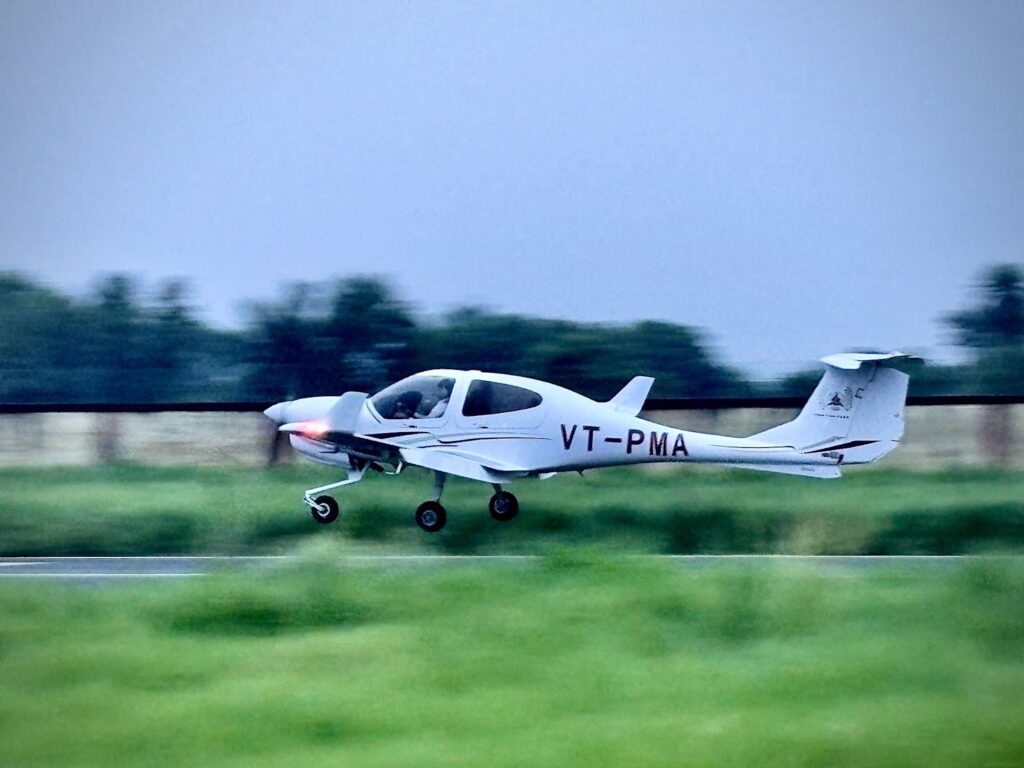
Modern facilities are what separate an average school from the best aviation schools to become a commercial pilot. Here are some aspects to look for:
- Fleet of Training Aircraft: Schools should maintain a variety of well-maintained aircraft to give you hands-on experience.
- Flight Simulators: State-of-the-art simulators help students practice real-world scenarios in a safe environment.
- Qualified Instructors: Experienced instructors with both flying and teaching expertise are crucial for effective learning.
- Weather Monitoring Systems: To ensure safe flying sessions and practical training aligned with real-world aviation conditions.
- Accommodation and Campus Life: Comfortable lodging and academic support help students focus on training.
- Job Placement Support: Many of the best aviation schools to become a commercial pilot provide career guidance and connections with airlines.
How to Choose the Right School for You?
When selecting from the best aviation schools to become a commercial pilot, keep the following in mind:
- Accreditation: Ensure the school is approved by the Directorate General of Civil Aviation (DGCA) or relevant international authority.
- Safety Standards: Verify the school’s safety record and maintenance practices.
- Instructor-to-Student Ratio: Fewer students per batch ensures more focused, personalized guidance.
- Fleet Size and Availability: Aircraft availability is crucial for completing flying hours on time.
- Placement Assistance: Schools with industry connections can help you transition smoothly into your career.
Pioneer Flying Academy: Your Gateway to the Skies
If you are looking for one of the best aviation schools to become a commercial pilot in India, Pioneer Flying Academy is a name you can trust. With modern aircraft, advanced simulators, and DGCA-approved programs, Pioneer ensures comprehensive training for aspiring pilots.
The academy offers structured CPL programs that cover both theoretical knowledge and practical flying hours, guided by highly qualified instructors. Its focus on safety, quality training, and career support makes it stand out among aviation schools.
Choosing Pioneer Flying Academy means more than just learning how to fly, it means preparing for a future where the skies are your workplace. With a growing aviation industry and an increasing demand for skilled pilots, Pioneer gives you the edge you need to secure your place in the cockpit.
Wrap Up
Finding the best aviation schools to become a commercial pilot is the first step toward fulfilling your aviation dreams. From courses and fees to facilities and placement opportunities, every detail matters. With the right training environment, you can master the skies and step into a high-demand, rewarding career.
FAQs
1. How do I choose the best aviation school to launch my pilot career?
Look for schools with a strong track record, modern fleet, certified instructors, and a curriculum aligned with DGCA or international standards.
2. What makes certain aviation schools stand out for commercial pilot training?
Reputed schools offer structured courses, experienced trainers, advanced simulators, placement support, and high safety standards.
3. Which courses should I complete to become a commercial pilot quickly?
Complete the Private Pilot License (PPL), Commercial Pilot License (CPL), Instrument Rating (IR), and Multi-Engine Rating (MER) courses for a faster career path.
4. What qualifications and age requirements are needed to join a top flight school?
Candidates generally need 10+2 with Physics and Math, meet medical standards, and be at least 18 years old.
5. Can graduating from a reputed aviation school improve my chances of airline recruitment?
Yes, leading aviation schools have strong industry ties, which help graduates land interviews and secure airline placements more easily.
6. What kind of aircraft and simulators will I get to train on?
Top aviation academies offer both single-engine and multi-engine aircraft.