
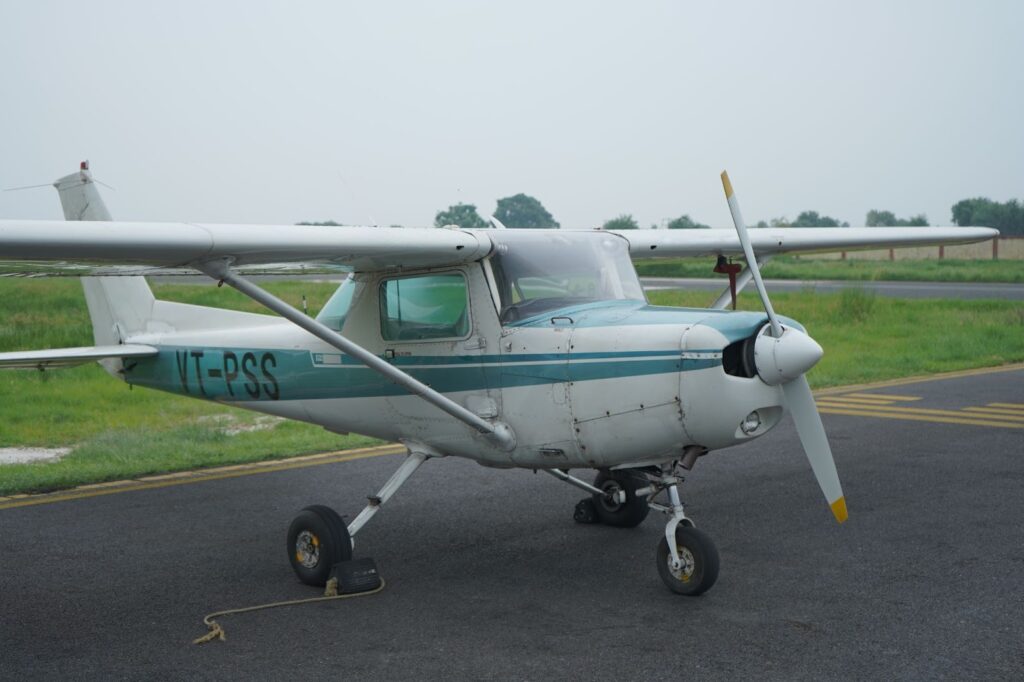
Every aspiring pilot reaches a point in their training journey where a big question arises — is investing in the A320 Type Rating cost really worth it? For many, this step marks the transition from training in light aircraft to stepping into the cockpit of one of the world’s most popular commercial jets. But with such a significant financial investment involved, it’s only natural to weigh the returns carefully.
Let’s explore what the A320 Type Rating truly means, what it includes, and why, despite the cost, it’s one of the most strategic investments a pilot can make for their career.
Decoding the A320 Type Rating
Before diving into the numbers, it’s important to understand what the training actually entails. A “type rating” is an additional certification that allows a pilot to operate a specific type of aircraft beyond their basic commercial pilot license (CPL).
In this case, the A320 Type Rating allows you to fly the Airbus A320 family of aircraft — one of the most widely used fleets by airlines across the globe. The training covers ground classes, simulator sessions, cockpit procedures, and system familiarization, equipping pilots with the skills and confidence to handle a complex commercial airliner.
This certification is mandatory for airline employment, so understanding the A320 Type Rating cost is a key part of planning your pilot career.
What Does the A320 Type Rating Cost Include?
The A320 Type Rating cost varies depending on the training organization and country. On average, the investment can range between ₹12–25 lakhs in India, while international academies may charge even more.
However, it’s important to realize that this isn’t just a “fee” — it’s a package that covers advanced simulator training, flight deck systems study, flight management software training, and regulatory examination costs. You’re not only paying for seat time but also for the highly specialized infrastructure and technology that replicate real-world airline operations.
A typical training program includes:
- Theoretical ground classes: In-depth system knowledge, operating procedures, and aircraft handling.
- Simulator training (Full Flight Simulator): Hands-on training that mimics real flight conditions.
- Skill test and checks: Conducted under DGCA or airline-approved examiners.
- Standard operating procedures (SOPs): Airline-specific operational learning.
When viewed this way, the A320 Type Rating cost becomes an investment in mastering a global-standard skill set — not just a price tag.
Why the A320 Type Rating Is a Smart Career Investment?
Many young pilots initially hesitate when they see the numbers, but here’s the truth — this certification dramatically boosts employability. Airlines almost always prefer hiring pilots who already hold a valid type rating.
Think of it as your ticket to the front of the queue. A CPL graduate without a type rating often needs to wait longer for placement or rely on airline-sponsored programs, which are limited and highly competitive. On the other hand, a candidate who has already covered their A320 Type Rating cost becomes immediately eligible for direct entry or line training programs.
Additionally, since the A320 is one of the most commonly operated aircraft worldwide, the rating opens up international opportunities. Whether it’s India, the Middle East, or Southeast Asia, demand for A320-rated pilots continues to grow.
Return on Investment (ROI) Perspective
The A320 Type Rating cost can feel heavy at first glance, but let’s put it into perspective. Once employed by an airline, a First Officer’s salary can range from ₹1.2 to ₹2.5 lakhs per month, depending on the airline and experience. Within a few years, as you progress to a Senior First Officer or Captain, the earnings multiply significantly.
This means that your type rating can pay for itself within a relatively short time after joining an airline. When compared to the potential career span of 25–30 years, the financial commitment becomes a small but necessary stepping stone.
Moreover, this certification is not a one-time benefit. Once you hold a valid A320 Type Rating, you can renew or revalidate it through recurrent training, keeping your qualification active throughout your career.
So, while the A320 Type Rating cost might appear steep in the beginning, the long-term benefits far outweigh the investment.
Airline Partnerships and Sponsorship Opportunities
Some pilots choose to pursue their A320 Type Rating cost independently, while others aim for airline-sponsored programs. Several airlines partner with aviation academies to offer cadet or sponsored type rating programs, where the cost is either reduced or paid after employment.
These partnerships often come with job security upon completion, though competition is fierce. If you’re planning to fund your type rating independently, research academies that offer placement support or financial assistance options.
Institutes that maintain ties with major airlines give students a better pathway to employment. It’s always wise to compare programs not just by cost, but by placement success, simulator facilities, and instructor experience.
Mistakes Pilots Make When Choosing a Type Rating
- Choosing based on price alone: Lower cost doesn’t always mean better value. Always check the quality of simulators and airline connections.
- Ignoring regulatory approvals: Ensure your program is DGCA-approved and internationally recognized.
- Skipping SOP training: Airlines look for pilots trained in standard operating procedures, not just simulator hours.
- Lack of preparation: Going into type rating without reviewing your CPL concepts can make the course unnecessarily harder.
Being smart with your choice can make your A320 Type Rating cost truly worthwhile.
Final Thoughts: Is It Worth the Investment?
The short answer — absolutely, yes. The A320 Type Rating is one of the most important steps toward becoming a professional airline pilot. It bridges the gap between classroom training and real-world airline operations, ensuring you’re cockpit-ready from day one.
In an industry where safety, precision, and readiness matter most, having a type rating gives you credibility and a clear competitive edge. While the A320 Type Rating cost might seem daunting, it’s not an expense — it’s the foundation of your flying career.
Take Off Confidently with Pioneer Flying Academy
At Pioneer Flying Academy, the goal is to make your transition from CPL holder to airline-ready pilot seamless and successful. With advanced facilities, certified instructors, and world-class simulators, the academy offers comprehensive support to manage your A320 Type Rating cost effectively while ensuring top-quality training.
From guidance on documentation and airline preparation to skill-building sessions and interview readiness, Pioneer helps you every step of the way. The focus isn’t just on getting your license — it’s on shaping confident, capable pilots who can soar high in their careers.
If you’re ready to take your dream to the next level, let Pioneer Flying Academy be your co-pilot on the journey from aspiration to achievement.