
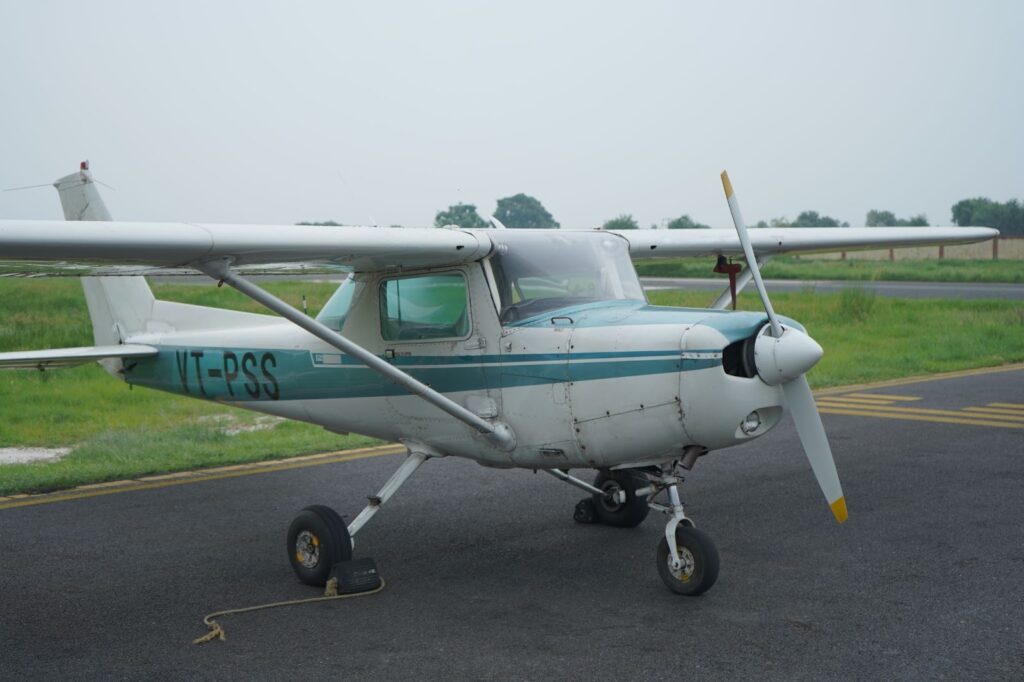
Imagine sitting in a cockpit, soaring above the clouds, and wondering how pilots make it look so effortless. If you dream of a career in aviation, a pilot training course is your first step. But with options in India and abroad, how do you choose the right path? Let’s explore the differences, advantages, and considerations for training locally versus internationally, so you can make an informed choice.
Why Choosing the Right Pilot Training Course Matters?
A pilot training course is the foundation of your aviation career. It’s where you learn the technical skills, decision-making abilities, and safety practices required to become a competent pilot. The right course ensures that you not only meet regulatory requirements but also gain confidence in the cockpit.
When considering training abroad versus India, the choice influences factors such as cost, curriculum, exposure to international aviation standards, and career pathways.
Pilot Training Course in India
India has become a popular hub for aspiring pilots due to its affordable yet high-standard aviation programs.
Advantages of Training in India
- Cost-Effective Programs: Compared to Western countries, pilot training in India is significantly more affordable while maintaining DGCA-approved quality.
- Regulatory Familiarity: Courses are designed to meet the DGCA requirements, which are essential for flying commercially in India.
- Growing Domestic Airlines: India’s rapidly expanding aviation industry provides increasing opportunities for new pilots.
- Cultural and Linguistic Comfort: Training close to home ensures you can focus entirely on learning without adjusting to new languages or lifestyles.
Typical Structure of a Course in India
A standard pilot training course in India includes:
- Ground School: Covers air navigation, meteorology, aviation regulations, radio communication, and aircraft systems.
- Flight Training: Provides hands-on experience in single and multi-engine aircraft, simulators, and cross-country flying.
- Exams and Licensing: DGCA exams and flight checks prepare you for your Commercial Pilot License (CPL).
The combination of theory and practice ensures graduates are competent, confident, and ready to enter the Indian or global aviation industry.
Pilot Training Course Abroad
Training abroad, in countries like the USA, UK, or Australia, offers exposure to international aviation practices and standards.
Advantages of Training Abroad
- Global Standards: Many overseas programs follow ICAO (International Civil Aviation Organization) or FAA (Federal Aviation Administration) regulations, which are widely recognized.
- Access to Advanced Technology: International academies often have modern aircraft fleets, advanced simulators, and high-tech training facilities.
- Diverse Weather Conditions: Flying in varied environments—from snow to tropical climates—enhances a pilot’s adaptability and skills.
- Opportunities for International Employment: Graduates may have a smoother path to flying with global airlines, subject to local licensing.
Structure and Experience
- Courses abroad also combine theory and flight training, often with:
- Extensive simulator training for complex flight scenarios.
- Exposure to multi-engine aircraft early in training.
- Global navigation and communication standards.
The international exposure can give pilots a competitive edge when seeking airline jobs abroad.
Cost Comparison
One of the major deciding factors is cost.
In India: The cost of a complete pilot training course ranges from ₹35–45 lakhs, including flight hours, simulators, and exam fees.
Abroad: Training can cost anywhere between $70,000–$120,000 (₹60–100 lakhs), depending on the country, academy, and additional living expenses.
While overseas courses offer global exposure, Indian courses provide a more budget-friendly alternative without compromising on skill development.
Career Pathways
Both Indian and foreign-trained pilots have exciting career opportunities:
India-trained Pilots: Can join domestic airlines, charter companies, cargo operators, or government aviation sectors. Many also pursue additional certifications to fly internationally.
Abroad-trained Pilots: Often have direct pathways to international airlines but may need to convert licenses for Indian operations.
A well-structured pilot training course ensures that, regardless of location, pilots acquire essential skills, confidence, and adaptability.
Choosing the Right Path
Deciding between India and abroad depends on several factors:
- Budget: Consider tuition, living costs, and travel expenses.
- Career Goals: Domestic vs international airline ambitions.
- Adaptability: Comfort with new cultures, languages, and environments.
- Training Quality: Facilities, instructors, and aircraft availability.
Many students opt for hybrid paths—starting in India for cost-effectiveness, then pursuing additional international ratings or certifications.
Additional Skills Developed
Regardless of the country, a pilot training course develops critical skills such as:
- Decision-Making: Handling high-pressure situations calmly.
- Technical Proficiency: Understanding aircraft systems and navigation.
- Communication: Efficient interaction with crew and air traffic control.
- Leadership and Responsibility: Managing safety and operations in the cockpit.
These competencies ensure you’re ready for both domestic and global aviation careers.
Take Off with Pioneer Flying Academy
At Pioneer Flying Academy, we offer a structured and comprehensive pilot training course that equips students for both domestic and international aviation careers. Learn from experienced instructors with real airline expertise, train on a modern fleet of aircraft and advanced simulators, and benefit from integrated programs that seamlessly combine ground school with flight training.
Our courses are aligned with international standards, giving you global exposure and opening pathways to fly anywhere in the world. Beyond training, we provide personalized career guidance, from airline placements to license conversions abroad. At Pioneer, you don’t just learn to fly—you prepare for a career that spans continents.
To Sum Up
A pilot training course is the gateway to an exhilarating career in aviation. Whether you choose to train in India for cost-effectiveness and familiarity, or abroad for global exposure and advanced facilities, the key is structured training, quality instruction, and dedication.
At Pioneer Flying Academy, we make your journey seamless, offering expert guidance, world-class training, and opportunities to explore both domestic and international skies.