
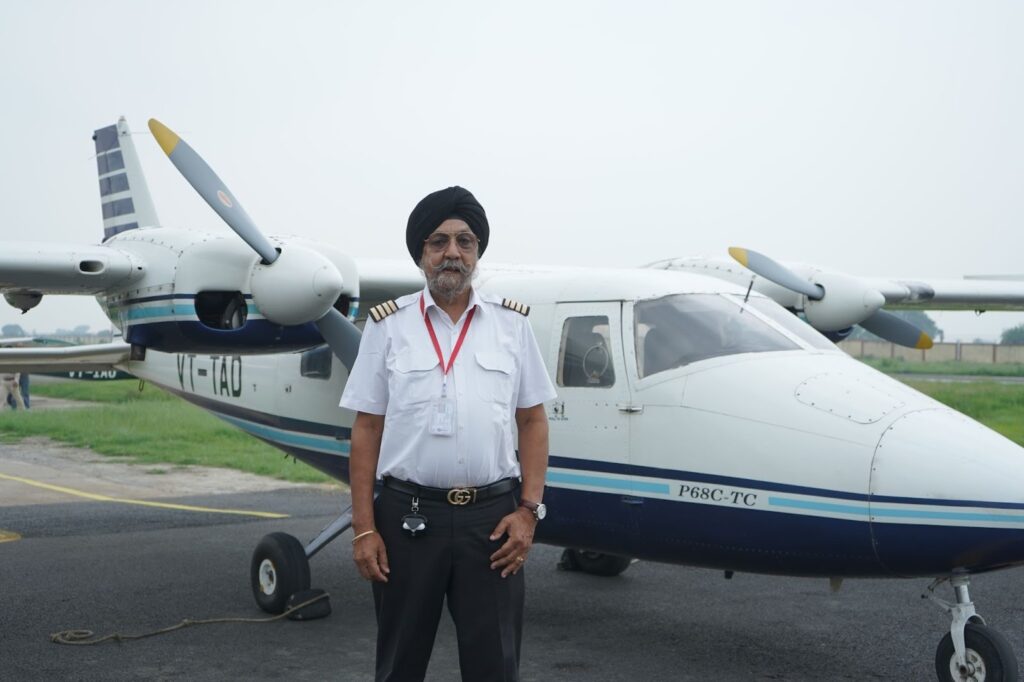
Ever wondered what it takes to become a commercial pilot today? The journey from a trainee to a fully licensed pilot has always been rigorous, but modern technology is transforming commercial pilot training in ways that were unimaginable even a decade ago. From advanced simulators to AI-driven learning, aspiring pilots now experience a blend of practical and digital training that ensures they are better prepared for real-world skies.
Traditional Approach vs. Modern Training
Traditionally, commercial pilot training relied heavily on classroom lectures, textbooks, and hands-on flying under the supervision of experienced instructors. While this method laid a strong foundation, it lacked the immersive and adaptive learning experiences that modern technology provides. Today, technology bridges that gap, allowing trainees to learn faster, safer, and more effectively.
Flight Simulators: Heart of Modern Training
One of the most revolutionary changes in commercial pilot training is the widespread use of flight simulators. High-fidelity simulators replicate real aircraft and flight conditions with incredible precision. Trainees can experience everything from routine take-offs to emergency scenarios without leaving the ground. This not only builds confidence but also allows repeated practice in situations that would be risky in actual flight.
Interactive simulator sessions also give immediate feedback. Pilots can review their decisions, correct mistakes, and understand the consequences of every action, which significantly accelerates learning. For example, practicing engine failures, adverse weather conditions, or instrument malfunctions becomes a routine exercise rather than a rare experience.
Virtual Reality and Augmented Reality
Virtual Reality (VR) and Augmented Reality (AR) are opening new doors in commercial pilot training. VR provides fully immersive cockpit experiences, allowing trainees to familiarize themselves with aircraft controls and procedures before stepping into a real cockpit. AR overlays digital information on real-world environments, helping pilots learn navigation, instrument reading, and emergency procedures interactively.
These technologies also allow instructors to design scenario-based training that can adapt in real-time to a trainee’s actions. Instead of just following a fixed curriculum, students can engage in dynamic problem-solving exercises that mirror the unpredictability of real flights.
AI and Data-Driven Learning
Artificial Intelligence (AI) is another game-changer in commercial pilot training. AI-driven platforms can analyze a trainee’s performance in real-time, identifying patterns and pinpointing areas that need improvement. Personalized learning plans ensure that each pilot progresses at their own pace, addressing weaknesses while reinforcing strengths.
AI can also predict potential human errors in flight scenarios by tracking decision-making patterns. This predictive approach enables trainees to correct habits early, enhancing overall safety and efficiency.
Online and Remote Learning
The rise of online platforms has made commercial pilot training more flexible than ever. Trainees can access theory classes, instructional videos, and interactive modules from anywhere in the world. This flexibility reduces the need for physical classroom hours and allows students to revisit complex topics at their own pace.
Furthermore, online platforms often integrate quizzes, virtual tests, and AI assessments to ensure learning retention. Combining these with simulator sessions creates a seamless blend of theory and practice, making training more comprehensive and less stressful.
Enhanced Safety and Risk Management
Technology in commercial pilot training doesn’t just improve learning; it directly enhances safety. Simulated environments allow pilots to safely experience emergency situations, while AI and VR ensure that these lessons stick. Trainees learn to handle high-pressure scenarios calmly, reducing the likelihood of errors in real-life flights.
Moreover, data from simulators and digital training tools can be analyzed to improve training methods continuously. Training programs become smarter with every batch of pilots, creating a cycle of improvement that benefits the entire aviation industry.
The Human Element Remains Crucial
Despite all these technological advances, human guidance remains indispensable. Instructors provide mentorship, share real-world insights, and ensure that pilots develop judgment and decision-making skills that no machine can fully replicate. Technology enhances the training process but does not replace the critical role of experienced trainers.
Future Trends in Commercial Pilot Training
Looking ahead, technology will continue to redefine commercial pilot training. We can expect even more immersive VR experiences, AI-driven predictive analytics, and smart cockpit simulators. The focus will shift toward creating highly adaptable pilots who can respond to unexpected challenges with confidence and precision.
Why Enroll at Pioneer Flying Academy?
At Pioneer Flying Academy, technology and expertise go hand in hand. Our commercial pilot training programs combine advanced simulators, VR modules, AI-guided learning, and experienced instructors to create a holistic training experience.
Trainees receive personalized guidance, hands-on practice, and exposure to real-world scenarios, preparing them to excel in their careers. By choosing Pioneer Flying Academy, you gain access to the tools, knowledge, and mentorship that turn aspiring pilots into skilled professionals ready to take on the skies.
FAQs
1. How is technology transforming commercial pilot training?
Modern technology uses simulators, VR/AR, AI, and online platforms to make training safer, faster, and more immersive for aspiring pilots.
2. What role do flight simulators play in pilot training?
High-fidelity simulators let trainees practice real-world scenarios, emergencies, and complex maneuvers without leaving the ground, improving skill and confidence.
3. How does AI enhance commercial pilot training?
AI tracks trainee performance, provides personalized feedback, and predicts potential errors, helping pilots improve decision-making and safety.
4. Can virtual reality (VR) and augmented reality (AR) replace real flight experience?
No, VR and AR supplement hands-on flight training by offering immersive learning and scenario-based practice, but real cockpit experience remains essential.
5. How has online learning influenced pilot training?
Online platforms allow trainees to study theory, watch tutorials, and take assessments anytime, making training flexible and reinforcing practical sessions.
6. Will technology reduce the role of instructors in pilot training?
No, instructors remain crucial for mentorship, judgment training, and sharing real-world insights; technology enhances, rather than replaces, human guidance.