
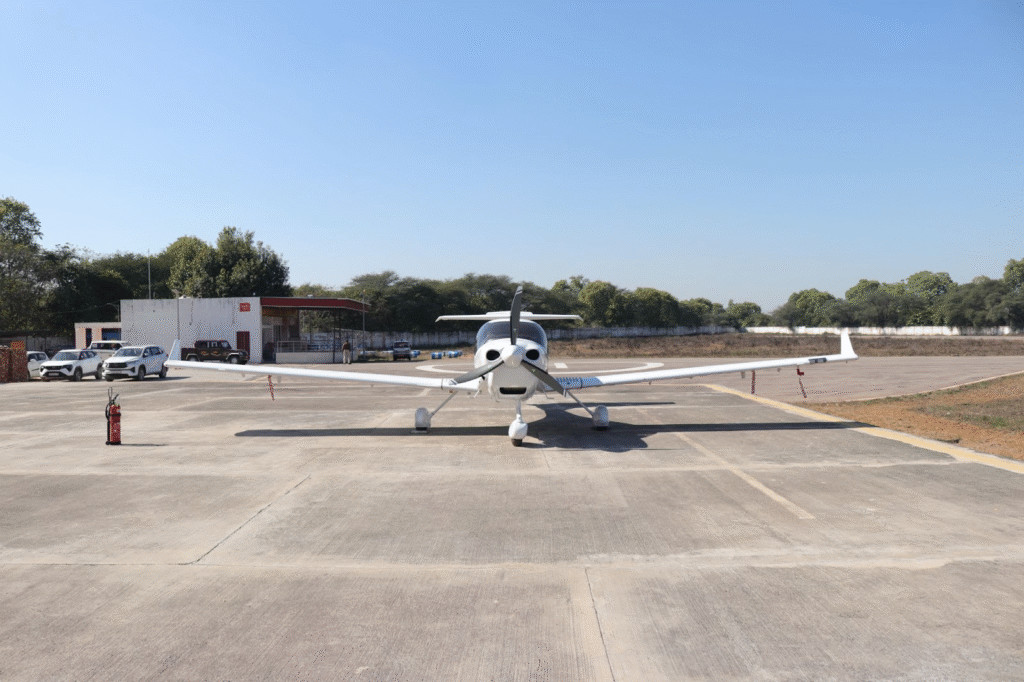
Have you ever wondered what it takes to go from dreaming about flying to actually piloting a commercial aircraft? Many aspiring pilots are passionate about aviation, but the path can feel overwhelming without the right guidance. Choosing a reputable aviation training institute in India can transform that dream into a concrete career, providing the training, mentorship, and exposure necessary to succeed in the skies.
In this blog, we’ll explore why aviation training institutes are important, what to look for, the types of programs offered, and the career opportunities that await. By the end, you’ll understand why enrolling in the right institute isn’t just about flying—it’s about building a professional aviation career.
Why an Aviation Training Institute Matters?
Aviation is a high-stakes profession. Every decision in the cockpit—from takeoff to landing—requires skill, knowledge, and confidence. This is why selecting a certified aviation training institute in India is crucial.
A quality institute ensures:
- Safety-focused training: Cadets learn standard operating procedures, emergency protocols, and best practices at every stage.
- Compliance with regulations: DGCA-approved programs ensure your training meets national and international aviation standards.
- Modern aircraft and simulators: Access to up-to-date technology prepares cadets for real-world scenarios.
Think of an aviation training institute as your runway to a professional pilot career. The right training equips you with the skills to handle the complexities of modern aviation.
How to Choose the Right Aviation Training Institute?
With so many options in India, selecting the right institute can be challenging. Here’s what aspiring pilots should look for:
- DGCA Approval: Make sure the institute holds official recognition from India’s Directorate General of Civil Aviation.
- Experienced Instructors: Trainers with airline experience provide insights that books cannot.
- Fleet and Simulators: Modern aircraft and high-quality simulators enhance both practical and theoretical learning.
- Structured Curriculum: A balanced program covering ground school, simulators, and actual flights builds confidence.
- Placement Support: Institutes offering career guidance and airline recruitment assistance give cadets a competitive advantage.
Choosing an institute that ticks these boxes increases your chances of a smooth transition from training to professional flying.
Types of Programs Offered
An aviation training institute in India typically offers several programs to cater to different career goals:
- Private Pilot License (PPL): Ideal for beginners, it introduces cadets to fundamental flying skills.
- Commercial Pilot License (CPL): Advanced training for aspiring professional pilots, including extensive flight hours and theory.
- Cadet Pilot Programs: Integrated courses combining theory, simulator sessions, and airline exposure, often with guaranteed flight hours.
- Type Rating Programs: Specialised training for specific aircraft models, usually a requirement before joining commercial airlines.
Each program is designed not only to teach flying but also to develop skills such as communication, decision-making, and cockpit resource management.
Role of Technology in Pilot Training
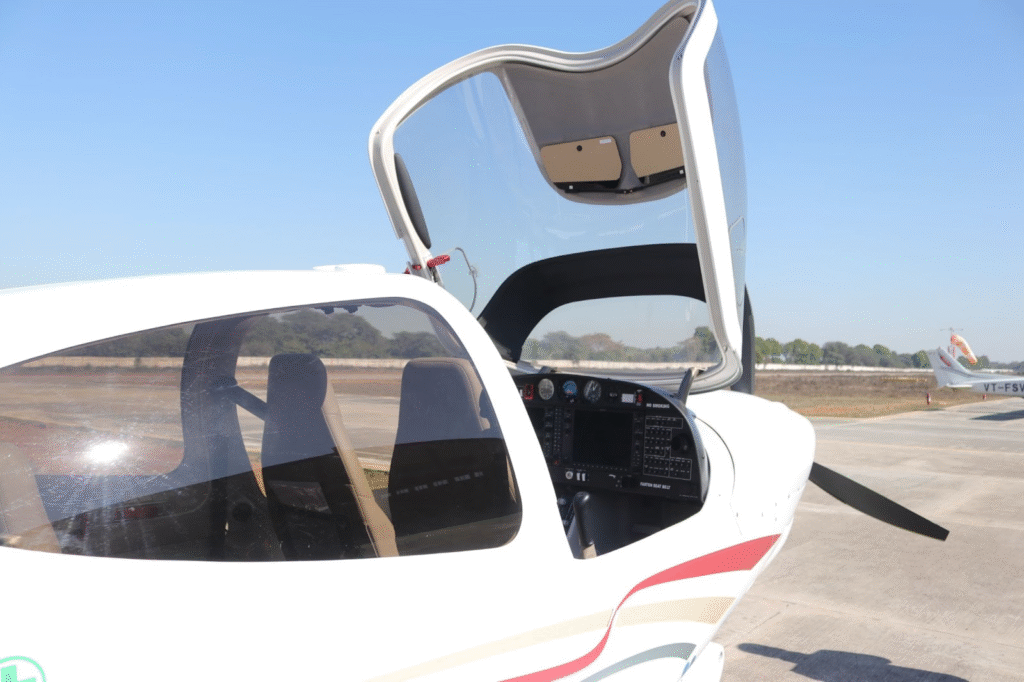
Modern aviation training relies heavily on technology. Simulators are a vital part of training, allowing you to practice:
- Emergency procedures such as engine failures
- Takeoffs and landings in varied weather conditions
- Communication with air traffic control
A leading aviation training institute in India ensures that you receive ample simulator practice alongside actual flight hours.
Challenges Faced by Aspiring Pilots
The journey to becoming a pilot is both demanding and deeply rewarding. Cadets may face:
- Rigorous Training: Long hours of study, simulator practice, and flight sessions require discipline and focus.
- Financial Investment: Pilot training can be expensive, so careful planning is essential.
- Medical Requirements: You must meet physical and mental fitness standards.
- Competitive Job Market: Airline placements are highly competitive and performance-driven.
While these challenges are real, the right institute provides mentorship, structured programs, and career guidance to help cadets overcome them.
Making the Most of Your Training
To maximise your learning at an aviation training institute in India:
- Engage actively in ground school: Understand concepts rather than just memorising them.
- Ask questions: Experienced instructors provide insights that are invaluable.
- Stay updated: Aviation rules, procedures, and technology evolve constantly, so keep yourself informed.
- Maintain fitness: Physical and mental well-being is critical for a long-lasting career in aviation.
Applying these strategies ensures training translates into practical expertise in real-world flying.
Career Opportunities After Training
Graduating from a reputed aviation training institute in India opens multiple career paths:
- Commercial Airlines: Fly domestic or international passenger routes.
- Charter and Cargo Operations: Work with private operators or logistics companies.
- Flight Instruction: Train new cadets as certified flight instructors.
- Corporate Aviation: Fly for private corporations or high-profile clients.
The quality of training and mentorship significantly affects your career trajectory and readiness for these roles.
Why Pioneer Flying Academy Stands Out?
At Pioneer Flying Academy, we understand that every aspiring pilot’s journey is unique. Being a top aviation training institute in India, we offer programs specifically designed to:
- Provide world-class instruction from airline-trained instructors
- Offer modern aircraft and advanced simulators for comprehensive practical experience
- Support cadets with career guidance, mentorship, and airline placement.
Choosing Pioneer Flying Academy means more than enrolling in a program—you gain a structured, supportive path toward a successful aviation career. Our holistic approach ensures cadets become not only skilled pilots but also confident professionals ready for the global aviation industry.
FAQs
1. Does the city or location of the institute really matter for pilot training in India?
Yes, it does. Places with clear weather and less congested airspace allow for more flying days and smoother training.
2. Will an aviation training institute in India prepare me for international flying too, or just for Indian airlines?
Good institutes follow DGCA rules but also train you with global ICAO standards so you’re ready for both Indian and overseas opportunities.
3. I don’t have a science background. Can I still join an aviation training institute in India?
Most programs require Physics and Math, but some institutes guide students with bridge courses or alternate pathways.
4. How safe are the training flights at these institutes?
Safety is a top priority. Aircraft are maintained under strict checks, and instructors are trained to handle all kinds of situations.
5. Do aviation training institutes in India really have simulators like the airlines use?
Yes! Advanced simulators mimic real cockpits and even weather challenges, so you can practice flying and emergencies before taking off for real.
6. What happens after I finish my training—will the institute help me get a job?
The better institutes don’t leave you hanging. They connect you with airlines, offer placement guidance, and even mentor you through interviews.