
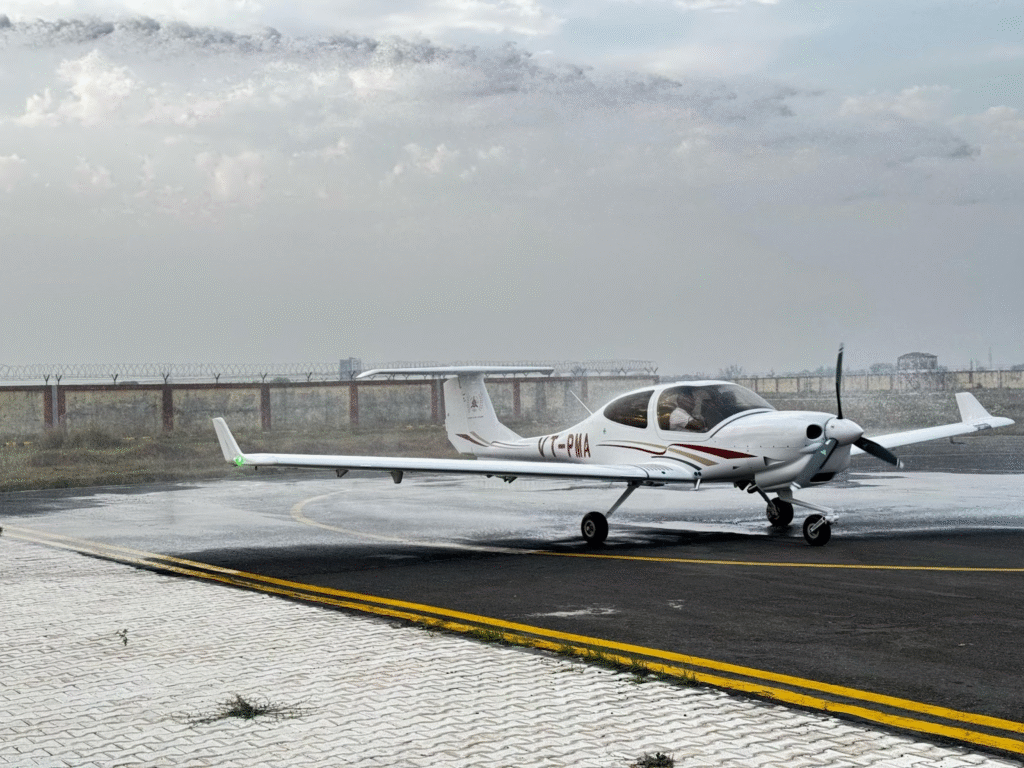
The aviation sector in India has been witnessing unprecedented growth over the past decade. With air travel becoming more affordable and accessible, millions of people now prefer to fly instead of taking traditional modes of transport. As a result, flight training in India is no longer just a niche career path; it is becoming a booming industry that attracts ambitious youth from across the country.
In this blog, we’ll explore the factors driving the rise of flight training in India.
Growth of Aviation in India
According to DGCA data, passenger traffic has consistently surged, and industry projections suggest India will soon become the third-largest aviation market globally.
Currently, India has around 11,745 active pilots, but estimates show the country will need over 30,000 pilots in the next decade. To meet this gap, flight training in India has become a top priority for both government initiatives and private academies.
Why is the Demand for Pilots Rising?
Several factors explain the sharp rise in demand for pilot training:
Fleet Expansion by Airlines
Airlines like Indigo and Air India are aggressively expanding their fleets to meet passenger demand. More aircraft mean more cockpit seats that need filling.
Government Initiatives
The UDAN scheme (Ude Desh ka Aam Nagrik) has improved regional connectivity by bringing smaller towns onto the aviation map. This requires additional pilots to serve newly operational routes.
Growing Middle Class and Air Travel
With rising disposable incomes, middle-class families are flying more frequently. Domestic aviation is no longer a luxury, it’s a necessity.
Global Opportunities
Indian-trained pilots are now finding opportunities abroad, as countries worldwide face pilot shortages. This global demand is encouraging students to pursue flight training in India and then spread their wings internationally.
Advantages of Flight Training in India
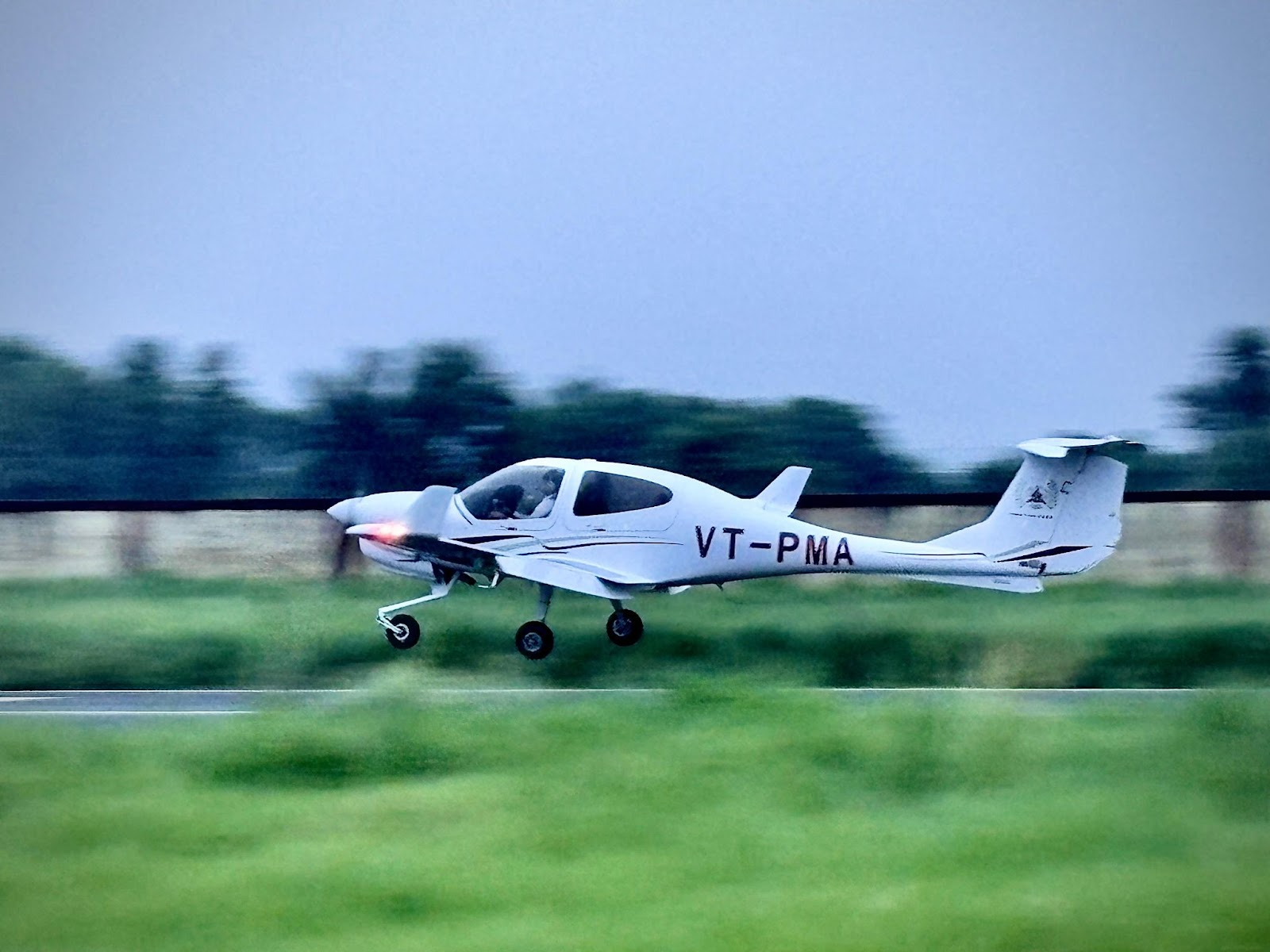
DGCA-Approved Programs
Flight schools in India follow DGCA (Directorate General of Civil Aviation) guidelines, ensuring training meets global safety and quality standards.
Growing Infrastructure
With multiple academies equipped with modern aircraft and simulators, the quality of training has improved significantly in recent years.
Cultural and Environmental Familiarity
Training in your home country allows students to stay closer to their families and adapt more easily to the environment, compared to training abroad.
Challenges in Flight Training
While the sector is expanding quickly, challenges remain. These include:
- High Costs: Though cheaper than abroad, flight training in India is still considered expensive, often ranging from ₹35–50 lakhs for a commercial pilot license.
- Limited Slots: The demand for training often exceeds the available seats at reputed academies, creating waiting periods.
- Weather Conditions: Training in certain parts of India can be affected by monsoons, which may slow down flight schedules.
Despite these challenges, the industry continues to grow rapidly, supported by strong government policies and private investment.
Future Outlook of Flight Training in India
The future looks promising for aspiring pilots. Reports suggest India must train around 1,000 pilots annually to meet rising aviation demands. Here’s what we can expect:
- More Training Academies: To meet the rising demand, new flight schools are opening across the country, equipped with state-of-the-art facilities.
- International Collaborations: Indian academies are collaborating with global aviation organizations to offer world-class training standards.
- Technology Integration: Virtual reality and advanced flight simulators will play a bigger role in improving pilot training efficiency.
- Better Financing Options: With the growing recognition of aviation careers, banks and financial institutions are offering student loans tailored for flight training.
Simply put, the opportunities are enormous, and the need for skilled pilots ensures that a career in aviation will remain rewarding for years to come.
Why Now is the Best Time for Aspiring Pilots?
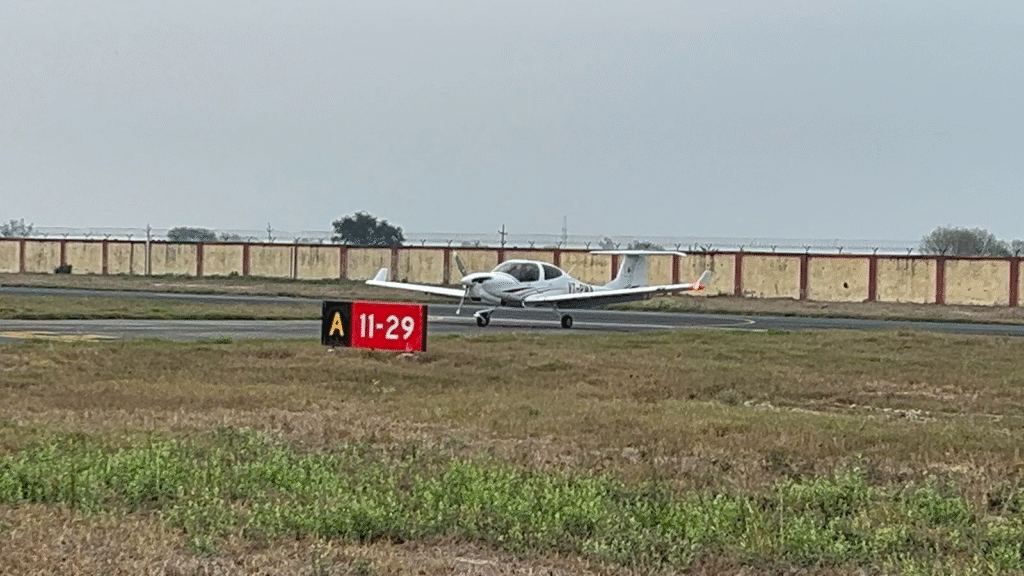
Choosing flight training in India today means stepping into an industry that guarantees long-term demand and exciting career opportunities. Unlike many other professions, pilot training directly leads to high-paying, prestigious jobs with global exposure. With airlines scaling up their operations and a clear shortage of pilots, those who begin their training now will have an edge over future aspirants.
How Pioneer Flying Academy Can Benefit You?
If you’re considering flight training in India, choosing the right academy is crucial. Pioneer Flying Academy stands out as one of the most trusted names. With its DGCA-approved training programs, experienced instructors, and modern training aircraft, Pioneer ensures that students receive the highest quality education.
The academy focuses not only on technical flying skills but also on building confidence, decision-making ability, and discipline—qualities every professional pilot must have. Students benefit from:
- State-of-the-art simulators and aircraft for hands-on training.
- A well-structured curriculum aligned with DGCA standards.
- Experienced instructors with industry expertise.
- A strong support system to guide students through licensing and career placement.
Conclusion
The future of aviation in India is brighter than ever, and the surge in demand for skilled pilots makes it an exciting time to pursue flight training in India. With expanding opportunities, supportive policies, and the right training academy, aspiring pilots can look forward to a rewarding and adventurous career.
FAQs
1. What’s driving the rise of flight training in India?
The growing demand for pilots, airline fleet expansion, and affordable training costs are driving more students to pursue flight training in India.
2. How much does flight training in India cost?
The cost of obtaining a CPL in India typically ranges from ₹35–50 lakhs.
3. How long does it take to complete flight training in India?
Most students complete their training and obtain a CPL within 18–24 months, though this may vary based on weather, availability, and training schedules.
4. Are Indian pilot licenses recognized internationally?
Yes, a DGCA-issued CPL can be converted into licenses recognised by other countries after meeting their regulatory requirements.
5. What career opportunities are available after flight training in India?
Graduates can work as airline pilots, flight instructors, or even pursue international aviation careers.
6. Why choose India over abroad for flight training?
Flight training in India is more cost-effective, aligned with DGCA standards, and allows students to train in familiar conditions while preparing for both domestic and global opportunities.